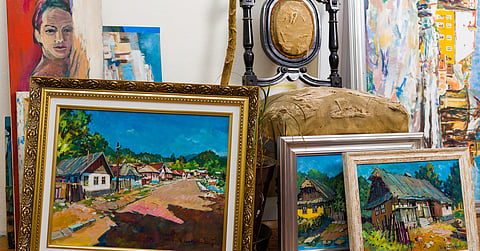

Starting an art collection often feels exciting and confusing at the same time for new collectors. A strong first step involves slowing down and learning what makes a piece worth owning.
For many beginners, building an art collection starts with personal taste rather than market knowledge. That approach works best when collectors add basic research and a clear budget. Here’ how to start building an art collection with confidence as a beginner.
A budget gives the collection process structure. It also helps collectors avoid impulse buys that feel exciting for a day. Your budget should include more than the price on the wall tag. Framing, shipping, insurance, and installation can raise the final cost.
Collectors can start small and still make strong choices. Original works on paper, prints, and emerging artists often offer accessible entry points.
Basic art terms help buyers ask better questions. A little knowledge can also make galleries and auctions feel less intimidating.
Start with these common areas:
Medium and materials
Size and condition
Edition number
Artist background
Provenance
Total cost
Collectors who explore auctions should also learn how pricing works. Start with understanding auction estimates to help explain how estimates shape expectations before a sale.
Understanding the artist you’re interested in can provide key context. Collectors can look at past exhibitions and read short interviews. Gallery representation can also offer useful context.
A newer artist may not have a long market history yet. In that case, consistency across the work can matter more than fame.
Collectors should feel comfortable asking practical questions before buying. Good sellers expect questions and answer them clearly. Ask about condition, authenticity, framing, and return policies. Also ask for paperwork that supports the purchase.
A clear invoice helps protect the collector later. Certificates and appraisals can also support insurance or future resale.
Rushing can lead to regret. A better approach involves viewing several works before making the first purchase. Save images and revisit favorite pieces after a few days. The strongest choices usually still feel interesting after the first reaction fades.
This habit supports building an art collection with more confidence. It also helps collectors understand personal taste over time.
Every purchase should come with basic documentation. Good records make a collection easier to insure and manage. Save receipts, artist details, condition notes, and images. Store digital copies in one folder for easy access.
Your first art purchase should feel considered and within budget. Confidence in art collecting grows through looking, asking, and learning. With patience and clear habits, beginner collectors can build a collection that feels personal and smart.

